
Do your fingers suddenly turn white at the slightest draft? This surprising reaction isn’t just a simple sensitivity to cold. It often reveals a little-known circulatory phenomenon that’s useful to understand to better cope with it on a daily basis.
When your extremities decide to change color without warning
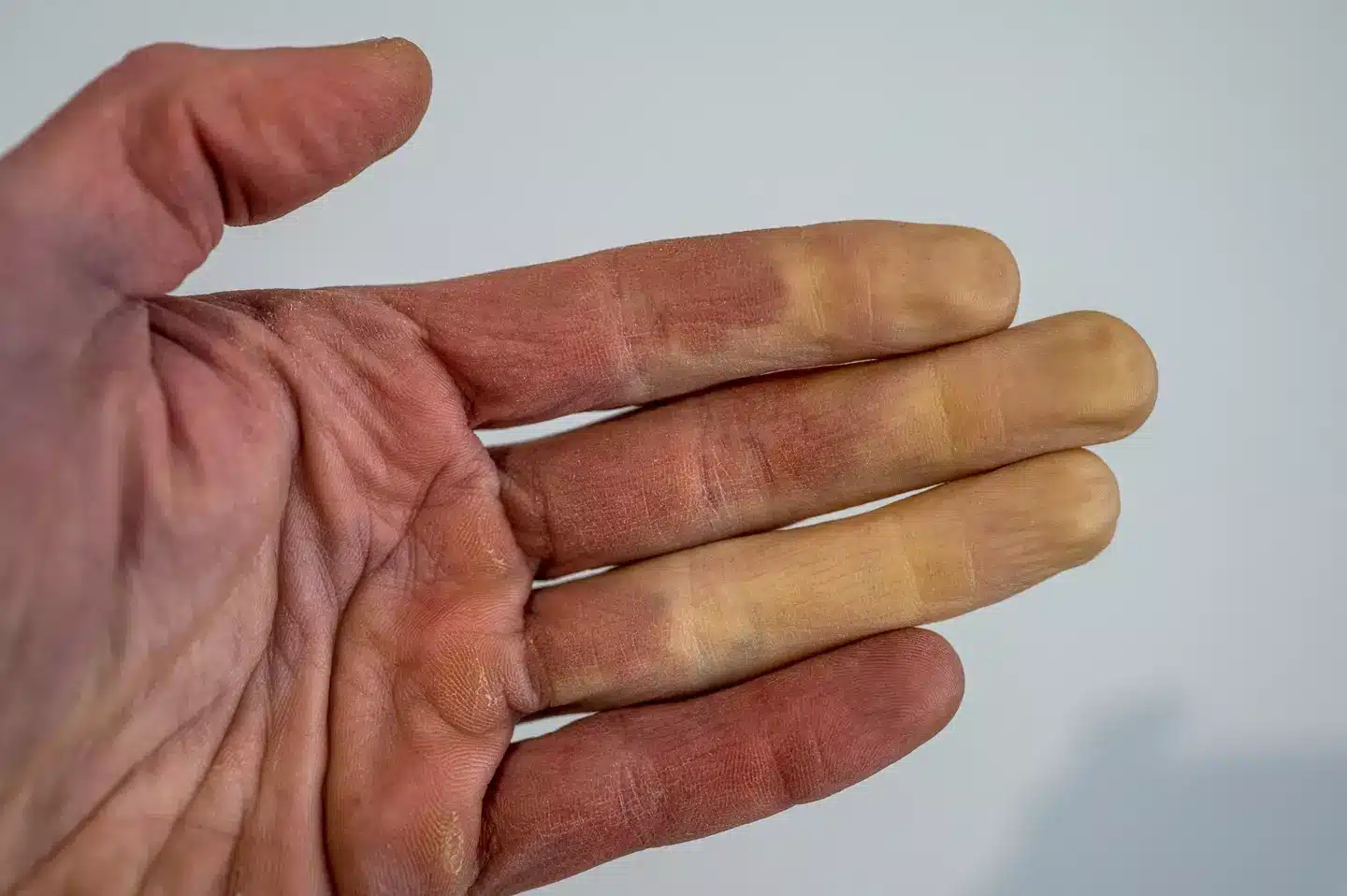
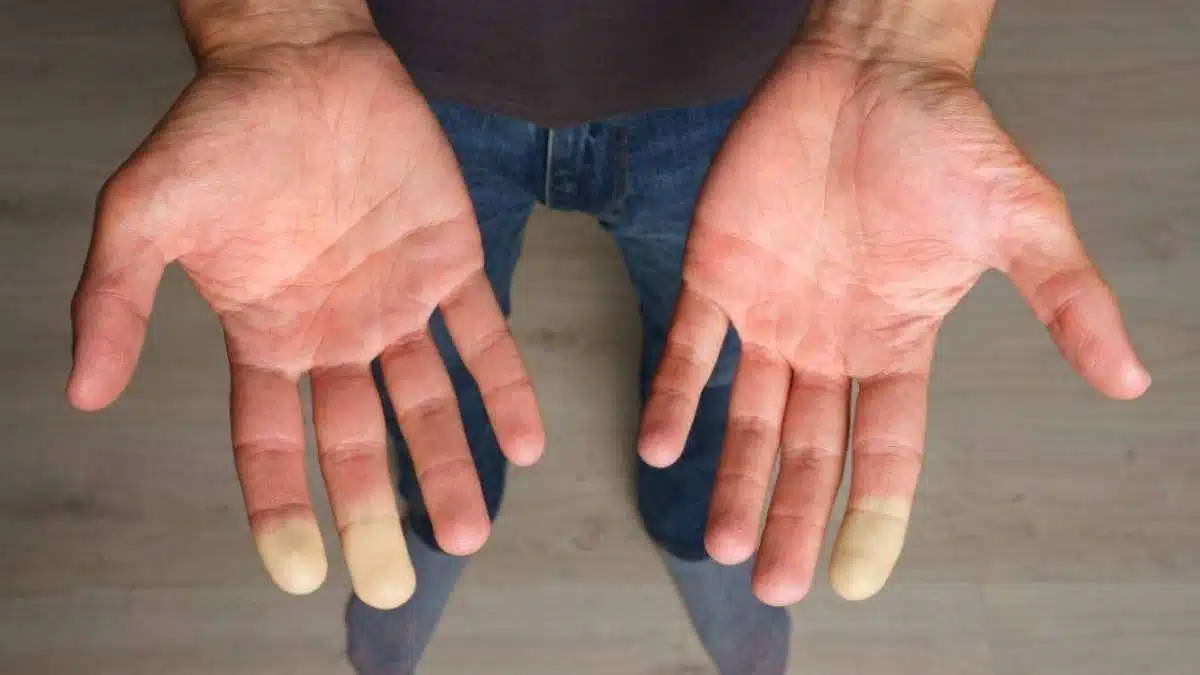
This surprising phenomenon has a name: Raynaud’s syndrome. Particularly common among women—once again, it’s happening to us!—it mainly affects the fingers, but can also affect the toes, nose, earlobes, and even the mouth. The mechanism? A sudden contraction of micro-blood vessels when they encounter cold or strong emotion, temporarily limiting blood flow.
The visual effect is quite dramatic: the affected areas change from white to blue, then to red when they return to normal. Between these colored phases, you may experience tingling, painful discomfort, or a truly uncomfortable loss of sensitivity.
Beyond the Cold: These Triggers You Don’t Suspect
Contrary to popular belief, the weather is not the only culprit! Various factors can activate or intensify this Raynaud’s phenomenon:
- Low temperatures, of course, but also rapid thermal variations.
- Periods of nervous tension, which play the role of a discreet catalyst.
- Some drug treatments, particularly for high blood pressure or headaches.
- Consumption of tobacco and caffeine, substances that constrict blood vessels.
- Certain repetitive movements, such as handling vibrating instruments.
In short, a rather unpleasant combination… but perfectly manageable once you understand it!
⇆
Gentle solutions to relieve and anticipate
Rest assured: the majority of cases are not serious. This doesn’t prevent this condition from being a source of discomfort, especially when you constantly feel like your hands are frozen. Here are some simple approaches to regain your well-being:
Embrace the heat… in moderation
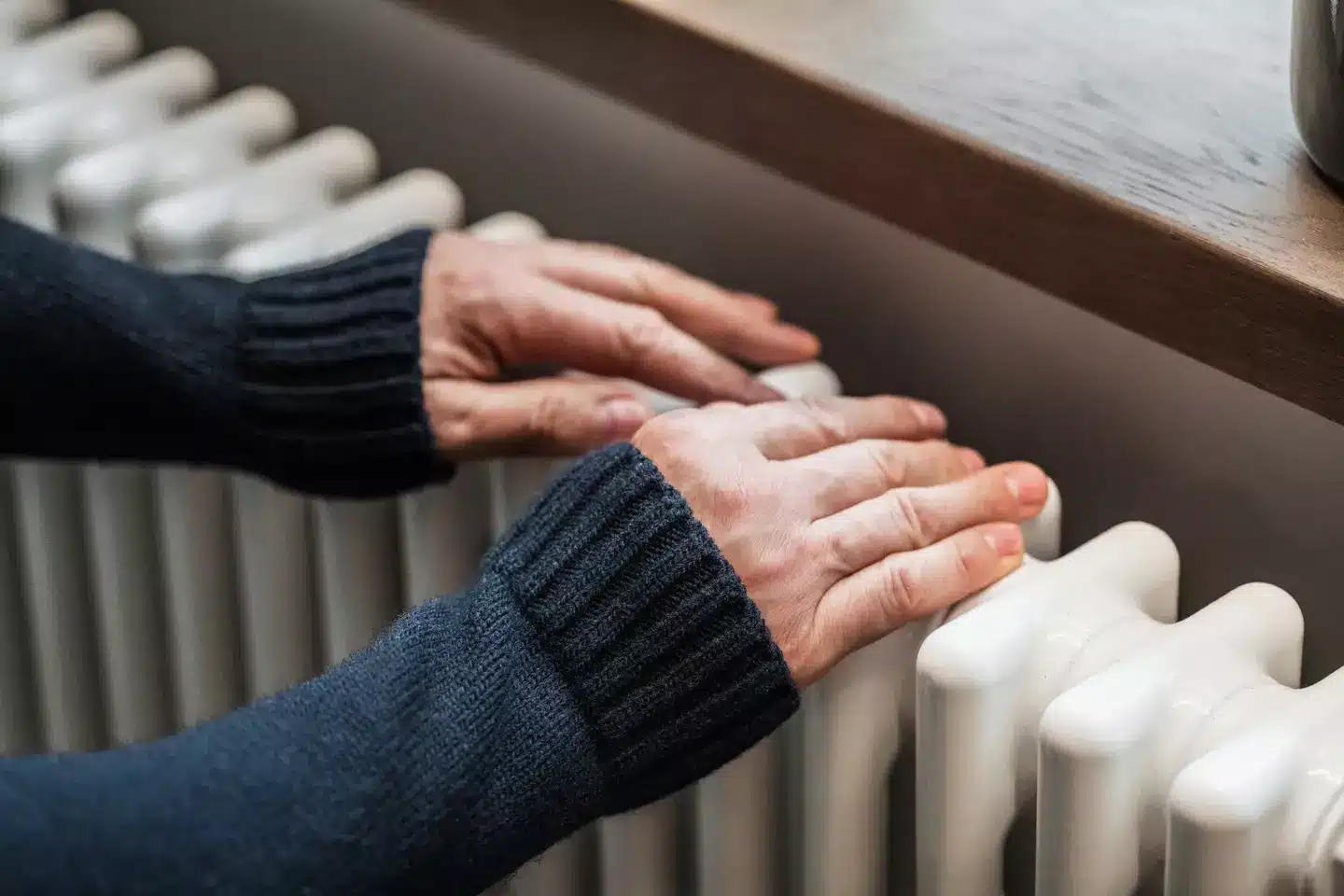
During the cold season (and even in air-conditioned spaces), cover your extremities with suitable accessories: thermal gloves, wool socks, insulated shoes. Also consider hot water bottles in bed or instant hand warmers for outings.
Get moving to get the blood flowing again
Regular walking, yoga, or even gentle finger stretching can improve circulation and reduce the frequency of attacks. An added bonus: these practices also help reduce stress, which is beneficial in two ways.
Identify and limit aggravating factors
Cut down on coffee and cigarettes, while prioritizing restful sleep and adequate hydration. Adopting a more relaxed lifestyle gives your body the means to better manage its vascularization.
Give your hands special care
A few drops of vegetable oil, a gentle massage every evening: in addition to stimulating local microcirculation, it’s a real moment of relaxation to treat yourself to.
When should you consider a medical consultation?
It is recommended to make an appointment in these situations:
- If the manifestations become too regular or impact your daily life.
- When they occur suddenly after the age of thirty.
- If a child has these symptoms.
In these circumstances, a doctor will be able to make a clear diagnosis and, if necessary, suggest appropriate treatment to help with vascular dilation.
Warm extremities, a more peaceful daily life: take care of yourself down to the smallest details!


