
Tooth decay does not develop overnight. They often start with subtle signals that may go unnoticed but deserve your attention. Recognizing these early signs and intervening quickly can prevent pain, serious complications and costly treatments. What are these symptoms to watch for?
Subtle signals to observe
Visible changes on your teeth
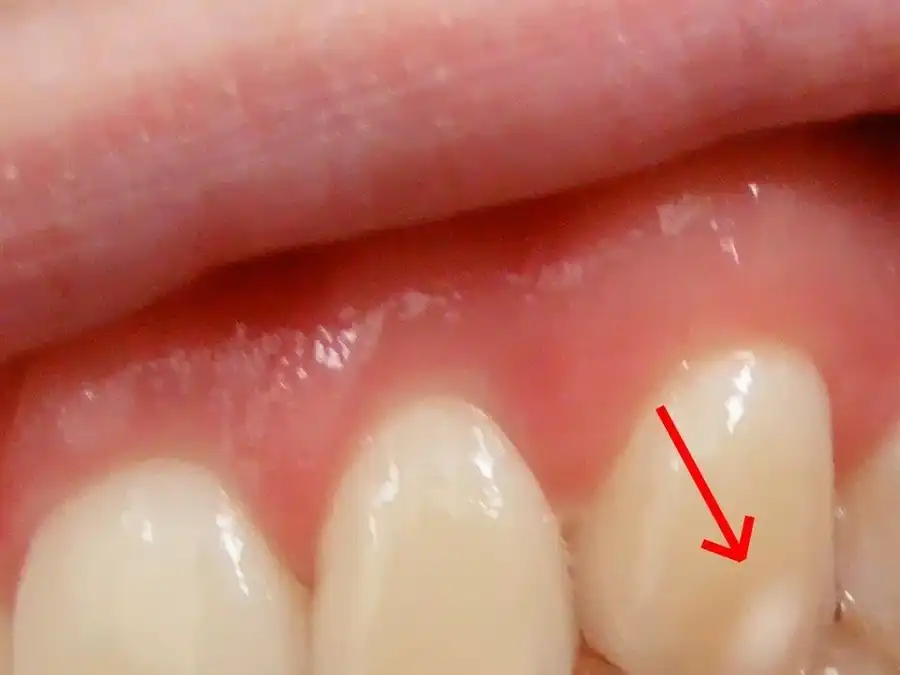
Unusual stains on your teeth are often the first clue to developing decay. These brands, which can be:
White, signaling demineralization of the enamel, the initial stage before cavity formation;
Brown or black, indicating more advanced decay,
are signs that it is time to see a dentist.
A quick diagnosis will confirm the origin of the problem and treat the decay before it progresses.
A rough feeling or small holes
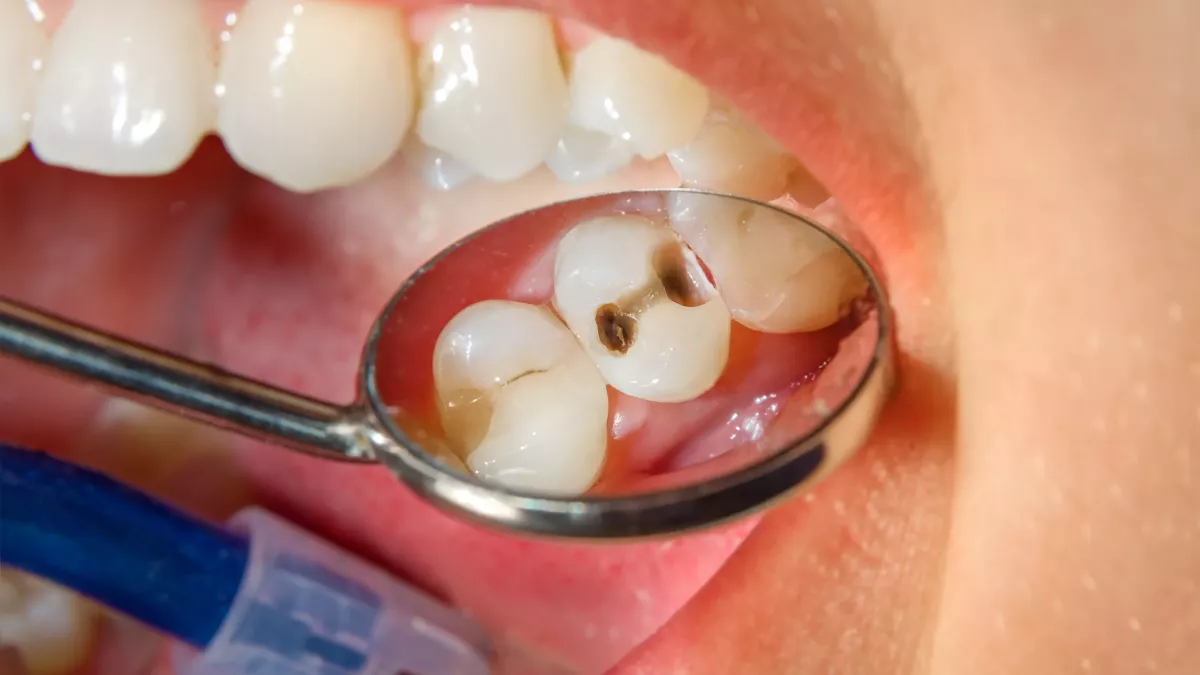
When you run your tongue over your teeth, a rough surface or the presence of tiny holes can be an early sign of decay. These irregularities result from the progressive degradation of the enamel by bacteria.
Even if it seems trivial, it is essential to consult to prevent decay from reaching the inner layers of the tooth.
Increased sensitivity
Tooth sensitivity is another common symptom of mild cavities. It can manifest itself in different ways:
During brushing, with discomfort in contact with brush bristles,
When eating or drinking, especially with hot, cold or sugary foods or drinks,
When chewing, where slight pain or discomfort may occur.
⇆
These sensations indicate that decay is beginning to affect dentin, a more fragile layer of the tooth beneath the enamel.
Ignoring these signs can lead to serious complications, such as:
A cavity that reaches the dental pulp, requiring devitalization or even extraction,
Intense pain affecting your daily life.
Dental infections that can spread to other parts of the body.
An appointment with the dentist will stop the progression of decay at an early stage, often with a simple filling, much less invasive than more advanced treatments.
Prevention to heal better

Protect your teeth with these simple habits:
Brushing your teeth twice a day with fluoride toothpaste.
Use of dental floss to remove food residue,
Reduction of sweet and sticky foods,
Regular visits to the dentist for check-ups and preventive cleaning.
Conclusion
Mild dental caries begin with subtle signs: spots, roughness or sensitivity. Staying attentive to these clues and consulting quickly can avoid inconvenience and preserve your smile. Don't let a small cavity become a big problem. Take action today!


