
An intense burning sensation followed by a band-like rash: shingles appears insidiously, often after the age of 50. Caused by the reactivation of the chickenpox virus, this little-known infection can severely disrupt daily life, especially for vulnerable individuals. How can you protect yourself and limit its after-effects?
Shingles: a painful reactivation of the chickenpox virus

Did you know that shingles, also known as herpes zoster, is actually a second manifestation of the virus that causes chickenpox? After an initial infection (usually during childhood), this insidious virus can remain dormant in our nervous system for decades before suddenly reactivating. It is this resurgence that causes the characteristic, terrible nerve pain, often described as electric shocks.
Recognizing the early symptoms of shingles
The typical shingles rash doesn't appear without warning. The body first sends alarm signals: a persistent burning sensation, unusually sensitive skin, or unpleasant tingling in a specific area. Then come the characteristic red blisters, clustered like a string of irritated pearls, usually located on one side of the body—often on the torso or face. In addition to these visible symptoms, the following may also occur:
- A moderate fever
- Unusual fatigue
- Persistent headaches
- Unexplained chills
- A discomfort in bright light
Shingles transmission: real danger or false alarm?
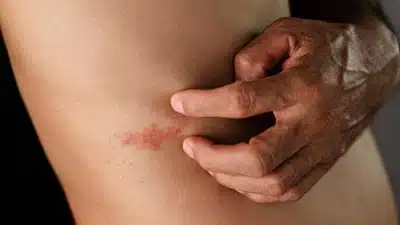
Contrary to popular belief, shingles isn't caught like a cold. The real risk? Transmitting the chickenpox virus to someone who has never had it. The fluid inside the blisters is highly contagious – hence the importance of avoiding any direct contact with the lesions. The most vulnerable populations (pregnant women, people on immunosuppressants, newborns) must be especially careful. A simple case of chickenpox today could develop into painful shingles years later.
Solutions for effectively fighting shingles

The key to success? Act quickly! At the first sign of suspicious tingling, consult a doctor without delay. Antiviral medications (such as acyclovir or valacyclovir ) are most effective when taken within the first three days. To help you get through this ordeal more comfortably, your doctor may recommend:
- Pain relievers adapted to the intensity of the symptoms
- Soothing treatments such as wet compresses or baths made with oatmeal
- Complete rest and enhanced hydration
Postherpetic neuralgia: when the pain persists
Shingles can sometimes leave a poisoned gift: neuropathic pain that persists long after the lesions have healed. Called postherpetic neuralgia, this complication particularly affects seniors and can transform even the simplest tasks (dressing, sleeping, showering) into real ordeals. The psychological impact should not be underestimated – isolation, irritability, depressive symptoms…
Shingles vaccination: optimal protection
For several years now, we have had a formidable weapon against shingles: the Shingrix vaccine . Much more effective than its predecessor (Zostavax), it offers protection exceeding 90% and is even suitable for vulnerable individuals thanks to its absence of live virus. Health authorities strongly recommend it.
- For people aged 65 and over
- For patients with a weakened immune system
- To those who have suffered from shingles (relapses do happen!)
Shingles: Prevention is better than suffering
Behind its apparent simplicity, shingles hides a far more complex reality: intense pain, risk of complications, and a lasting impact on quality of life. The good news? We now have the means to protect ourselves effectively. If you are approaching sixty or have risk factors, don't hesitate to discuss vaccination at your next medical appointment. Your future will thank you.


