
Losing a loved one is devastating. We search for familiar things, clinging to what remains: a watch, a pillow, a bottle of perfume. But some objects, far from offering comfort, can perpetuate the pain, block our energy, and transform our home into a place frozen in the past. Are you struggling to move forward? One of these memories might be the culprit…
Stopped clocks: a frozen symbol or a blocked emotion?
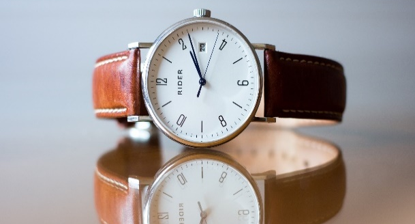
Have you kept a watch that stopped precisely at the moment of death? It’s a meaningful gesture… but sometimes one with heavy consequences. Behind this object frozen in time lies an invisible anchor. It holds us back, as if our own lives have been put on pause.
Psychologically, these objects can reinforce a feeling of stagnation. It then becomes difficult to return to a normal rhythm of life, regain confidence, or even sleep well. Not to mention the atmosphere they create in the home: heavy, rigid, sometimes oppressive.
Our advice : if this watch still works and makes you smile, keep it. Otherwise, thank it silently… and let it go. It’s a small step towards a new beginning.
Medical devices: when memory rhymes with pain

They are reminders of illness, vulnerability, and difficult final days. Even when put away, they unconsciously weigh on our morale. And their constant presence can create a latent tension in the atmosphere of the home.
To do : dispose of these items carefully. A pharmacy can help you get rid of them safely. You’ll free up space—and, more importantly, a part of your mind.
Intimate clothing and bedding: warmth or invisible weight?
Pajamas still imbued with her scent. Her favorite pillow. A sheet that hasn’t been washed in ages… These textiles may seem comforting, but they are often charged with very strong emotional energy.
⇆
What was meant to be a connection sometimes becomes a burden: insomnia, sudden crying spells, a feeling of being trapped in a loop of memories. And in some traditions, clothing is even believed to absorb a part of its owner’s soul or energy…
Our gentle tip : declutter with your heart. Keep a symbolic item if you wish, but don’t feel obligated to keep everything. If a piece of clothing makes you sad, it’s a sign that it’s time to say goodbye.
Biological relics: a bond that’s too strong?

These objects can create a powerful, sometimes suffocating, energetic link. They foster an attachment that prevents emotional detachment, which is nevertheless essential for healing.
The right thing to do : if you can’t bring yourself to part with it abruptly, perform a small farewell ritual. A symbolic, gentle, and respectful moment to turn the page, without guilt.
What you can keep, without hesitation
Fortunately, not all memories are painful. Some are bursts of light :
- A photo where he/she is smiling broadly.
- A touching letter
- A piece of jewelry, a collector’s item, a book he/she loved
These objects tell stories of love, life, and joy . They remind us of the best—not the end. They uplift us instead of holding us back.
⇆
Losing a loved one is devastating. We search for familiar things, clinging to what remains: a watch, a pillow, a bottle of perfume. But some objects, far from offering comfort, can perpetuate the pain, block our energy, and transform our home into a place frozen in the past. Are you struggling to move forward? One of these memories might be the culprit…
Stopped clocks: a frozen symbol or a blocked emotion?
Have you kept a watch that stopped precisely at the moment of death? It’s a meaningful gesture… but sometimes one with heavy consequences. Behind this object frozen in time lies an invisible anchor. It holds us back, as if our own lives have been put on pause.
Psychologically, these objects can reinforce a feeling of stagnation. It then becomes difficult to return to a normal rhythm of life, regain confidence, or even sleep well. Not to mention the atmosphere they create in the home: heavy, rigid, sometimes oppressive.
Our advice : if this watch still works and makes you smile, keep it. Otherwise, thank it silently… and let it go. It’s a small step towards a new beginning.
Medical devices: when memory rhymes with pain
They are reminders of illness, vulnerability, and difficult final days. Even when put away, they unconsciously weigh on our morale. And their constant presence can create a latent tension in the atmosphere of the home.
To do : dispose of these items carefully. A pharmacy can help you get rid of them safely. You’ll free up space—and, more importantly, a part of your mind.
Intimate clothing and bedding: warmth or invisible weight?
Pajamas still imbued with her scent. Her favorite pillow. A sheet that hasn’t been washed in ages… These textiles may seem comforting, but they are often charged with very strong emotional energy
What was meant to be a connection sometimes becomes a burden: insomnia, sudden crying spells, a feeling of being trapped in a loop of memories. And in some traditions, clothing is even believed to absorb a part of its owner’s soul or energy…
Our gentle tip : declutter with your heart. Keep a symbolic item if you wish, but don’t feel obligated to keep everything. If a piece of clothing makes you sad, it’s a sign that it’s time to say goodbye.
Biological relics: a bond that’s too strong?
A lock of hair, a preserved baby tooth, objects imbued with body odor… We sometimes keep these physical fragments out of deep attachment. But these relics connect us to the body, not the soul. Yet it is often the opposite that we need to heal.
These objects can create a powerful, sometimes suffocating, energetic link. They foster an attachment that prevents emotional detachment, which is nevertheless essential for healing.
The right thing to do : if you can’t bring yourself to part with it abruptly, perform a small farewell ritual. A symbolic, gentle, and respectful moment to turn the page, without guilt.
What you can keep, without hesitation
Fortunately, not all memories are painful. Some are bursts of light :
- A photo where he/she is smiling broadly.
- A touching letter
- A piece of jewelry, a collector’s item, a book he/she loved
These objects tell stories of love, life, and joy . They remind us of the best—not the end. They uplift us instead of holding us back.


