
If your neck suddenly seems swollen without explanation, this could be a crucial indicator of your health. Find out why this subtle transformation deserves your full vigilance...
Protruding neck veins: a symptom to take seriously

Have you ever noticed a particularly visible vein on your neck? This phenomenon, called jugular turgor in medical language, corresponds to a abnormal swelling of this vein, usually more pronounced when lying or semi-lying.
Although generally painless, this manifestation can reveal a underlying problem at the level of your circulatory system. What may be surprising is that this seemingly innocuous sign can sometimes constitute one of the first symptoms of a heart condition.
Why do we observe this swelling in the neck?
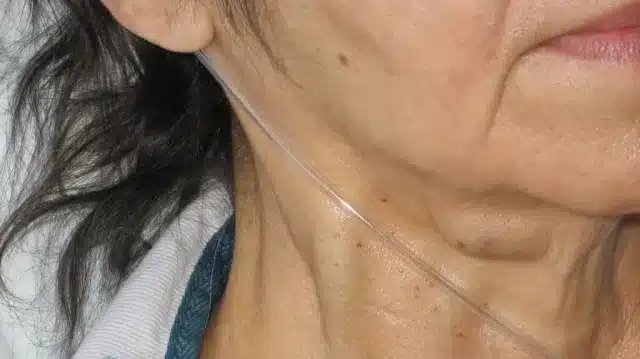
Several factors can explain this venous protrusion, most of which are linked to a poor heart function :
- Right heart failure : When this part of the heart struggles to fulfill its role as a pump, blood can stagnate in the veins, causing this visible dilation.
- Pulmonary hypertension : This increase in pressure between the lungs and the heart acts as a brake on blood circulation.
- Pericardium too rigid : If the envelope of the heart loses its flexibility due to inflammation or scarring, this hinders its filling and impacts the jugular veins.
- Obstruction of the superior vena cava : Although rare, a clot or tumor mass can block this important circulation route.
Certain valve malformations or fluid buildup around the heart may also be at the origin of these manifestations.
Associated symptoms not to be overlooked
Jugular turgor is often accompanied by others telltale signs what is important to know:
- Unusual fatigue that persists despite rest
- Edema for no apparent reason in the lower limbs or stomach
- Frequent need to urinate at night
- Abnormal shortness of breath or persistent cough
- Concentration problems or temporary memory loss
- Loss of appetite or early feeling of fullness
Isolated, these symptoms may seem trivial. But their association may indicate a circulatory or cardiac problem. In this case, a medical consultation is necessary.
How to react to this symptom?
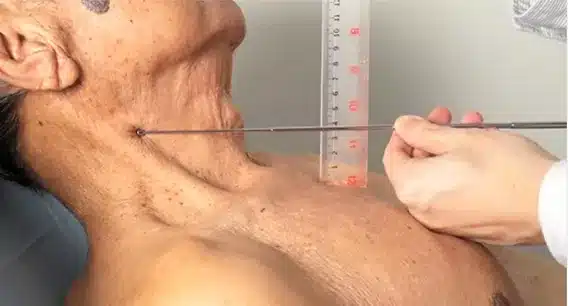
Let's be honest: this type of manifestation cannot be resolved with herbal teas or home remedies. The only reasonable attitude is to make an appointment with a doctor. Only he will be able to establish a precise diagnosis thanks to appropriate examinations (echocardiography, medical imaging...) and identify the exact cause.
Therapeutic solutions vary considerably: sometimes a simple drug treatment is enough, while other situations require a more specific intervention. Anyway, the earlier the diagnosis, the simpler and more effective the solutions.
Knowing how to listen to your body is the first step towards good health.


